
home
...
..........................
| 建築電訊 |
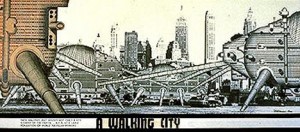
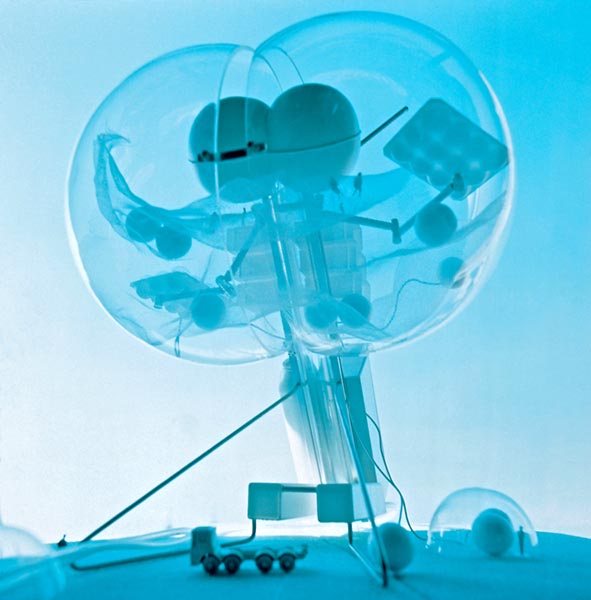
「建築電訊」(Archigram = architecture + telegram),六零年代(1961-1974)倫敦的一個建築團體,出版了九期刊物,但在此階段沒有真正的蓋過一個建築物,因此被稱為「紙上建築師」,他們相信人類生活開始必須走回游牧民族的生活,非自主的遷移、漂流、逐水
草而居。準確來說,人必須是中心,城市應該跟著人走,建築必須配合你,是你的配備。
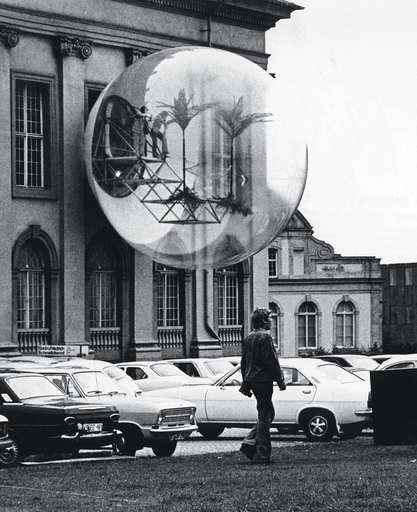
氣泡建築 其中有一支是因創新的塑膠材質的發起,另產生【氣泡建築】的概念,開啟了充氣模組的建築概念。建築不再只是堅固或者永恆存在的媒材,極有可能包容著可拆卸式或者 相當輕巧的視覺效果及功能性。而像「氣泡城市」這類無地基的有機模組建築, 則以「氣泡」作 為主要特徵。其中有人從形態學切入,在可充氣式的建築發展演進裡,研究結構的張力;同一時期,「氣體」建築在歐洲如同雨後春筍般冒出,也包含奧地利的Coop Himmelb(l)au「藍天小組」以可拆卸式的氣泡城市為代表性的概念發想。 【氣泡建築】概念下的創作
Installationview of Hans-Rucker-Co's Oasis 7 at Documenta 5, Kassel (1972)
Courtesy Hans-Rucker-Co. Photo: Günter Zamp Kelp 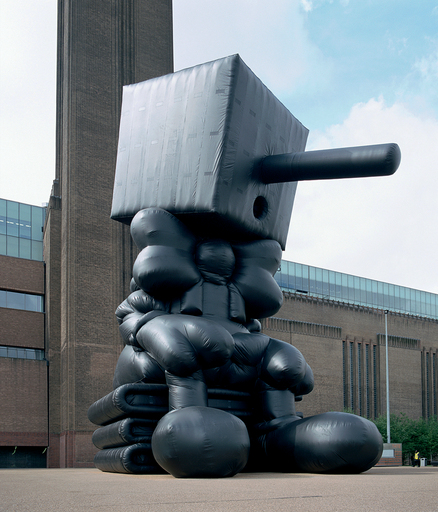 Installation view of Paul McCarthy's Blockhead at Tate Modern
Copyright the artist. Courtesy Hauser & Wirth Zürich London 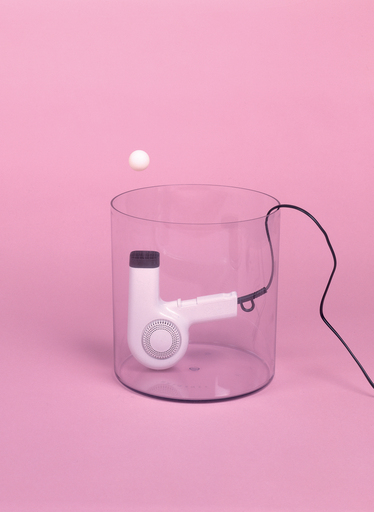
Damien Hirst
What Goes Up Must Come Down 1994 Courtesy Parkett, the artist Ping-pong ball, hairdryer, Plexiglas Container 30x30cm
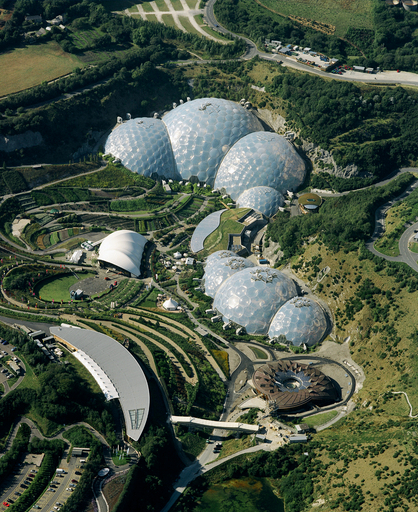
Nicholas Grimshaw’s Biome conservatories at the Eden Project,Cornwall (2001) 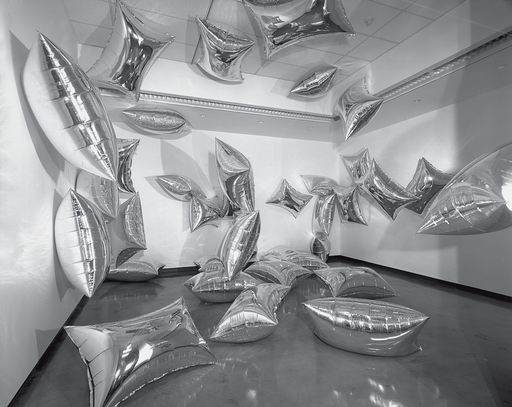 Andy Warhol’s Silver Clouds (1966), installed at The University Art Museum, Long Beach (1997) © Andy Warhol Foundation for the Visual Arts / Artists Rights Society (ARS), New York / DACS, London 2008. |